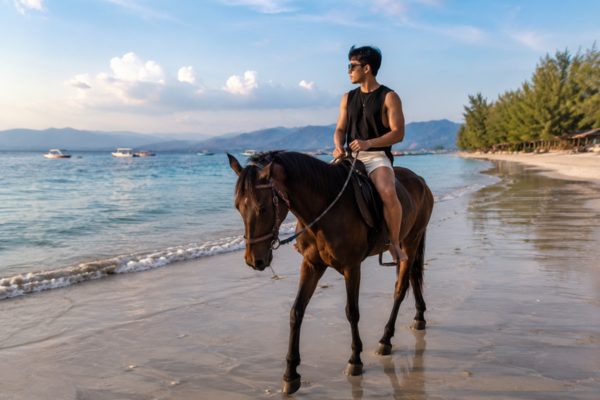
Gili Islands safety is one of the first things many travelers think about before booking a ferry from Bali or Lombok. The short answer is yes, the Gili Islands are generally safe for tourists, but they are small islands with limited medical facilities, simple transport and a slower emergency response system than larger destinations.
Gili Trawangan, Gili Air and Gili Meno are known for clear water, relaxed beach life and a car-free island atmosphere. That peaceful setting is part of the appeal, especially for couples, backpackers, families and honeymooners.
Even so, safe travel here means planning realistically. There are no large hospitals on the islands, ATMs can be limited or occasionally unavailable, and boat travel depends on sea conditions. This guide explains what to expect and how to prepare without overcomplicating your trip.
Safety Overview: Are The Gili Islands Safe For Tourists?
Yes, the Gili Islands are generally safe for tourists. Most visits are relaxed and trouble-free, especially for travelers who use common sense, book transport carefully, avoid risky water activities in poor conditions and keep valuables secure.
Overall Safety Level For International Travelers
For international travelers, the Gilis usually feel safer and quieter than busy urban destinations because there is no heavy road traffic and the islands are small enough to navigate easily. However, they are less equipped than Bali, Lombok mainland or Jakarta for advanced healthcare, emergency response and large-scale infrastructure.
Safety Compared With Other Indonesian Destinations
| Destination Type | Safety Advantage | What To Watch For |
|---|---|---|
| Gili Islands | Car-free, relaxed, easy to walk or cycle, generally low crime. | Limited clinics, limited emergency facilities, boat-dependent access. |
| Bali | More hospitals, transport options, tourism infrastructure. | Traffic accidents, scams, crowded tourist zones. |
| Lombok mainland | Closer access to larger hospitals and road transport. | Long travel distances, motorbike risks, rural access limitations. |
Practical view: The Gili Islands are safe for normal beach holidays, snorkeling, cycling and island hopping, but they are not the place to travel without insurance, basic medical awareness or backup cash.
Solo Travel Safety In The Gili Islands
Solo travel in the Gili Islands is generally safe, especially on Gili Trawangan and Gili Air where there are more restaurants, accommodations, dive shops and travelers around. Gili Meno is quieter and more romantic, so solo travelers may prefer it for peace rather than social energy.
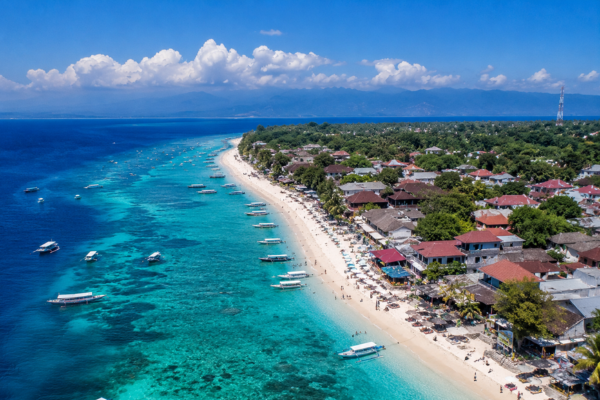
Gili Trawangan
Best for solo travelers who want social energy, more nightlife, dive shops and many food options.
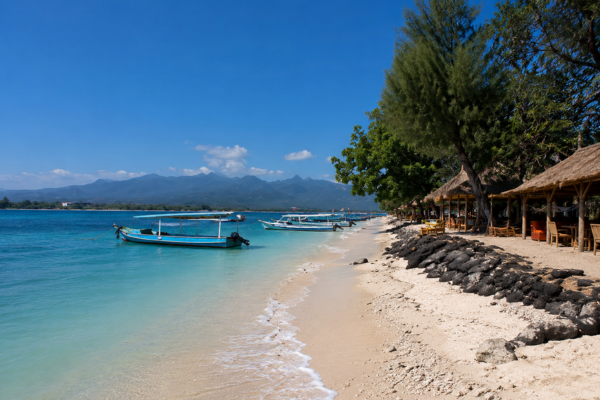
Gili Air
Best for solo travelers who want a calmer island with cafes, yoga, snorkeling and a friendly pace.
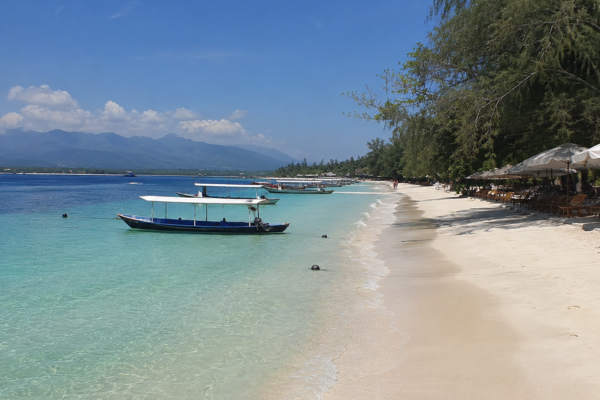
Gili Meno
Best for quiet travelers, writers, honeymoon-style stays and anyone who prefers a slower atmosphere.
Tips For Solo Travelers
- Stay near the main beach or central lanes if you want easier access to restaurants and other travelers at night.
- Share your ferry and hotel details with a friend or family member before departure.
- Avoid isolated beach paths late at night, especially if you are unfamiliar with the area.
- Keep your phone charged and carry a small amount of cash separately from your wallet.
- Choose licensed or well-reviewed tour operators for snorkeling, diving and boat trips.
Safety Advice For Female Travelers
Female travelers often visit the Gili Islands alone without issues, but it is still wise to stay in well-reviewed accommodation, avoid walking alone in very quiet areas late at night and be selective with alcohol or party settings. If you prefer a calmer environment, Gili Air can feel more balanced than Gili Trawangan, while Gili Meno is quietest.
Do You Need Travel Insurance For The Gili Islands?
Yes, travel insurance is strongly recommended for the Gili Islands. The islands have clinics and basic medical services, but advanced hospitals are not available on the islands. Serious emergencies may require transfer by boat to Lombok or onward to Bali.
Why Travel Insurance Matters
Travel insurance matters because even a simple island trip can involve ferry delays, lost belongings, minor injuries, stomach illness, snorkeling accidents or diving-related concerns. Medical evacuation can become expensive if you need fast transport to a larger hospital.
| Risk | Why It Matters | Recommended Solution |
|---|---|---|
| Medical emergency | Island clinics are limited and serious cases may need transfer. | Choose insurance with medical and evacuation coverage. |
| Snorkeling or diving issue | Water activities may not be covered by basic policies. | Check that snorkeling, diving and boat trips are included. |
| Ferry delay or cancellation | Sea conditions can affect boat schedules. | Keep buffer time and review trip interruption coverage. |
| Lost belongings | Small island travel often involves beach bags, boats and luggage handling. | Use hotel safes and check baggage coverage. |
Snorkeling And Diving Coverage Considerations
If you plan to dive, check the depth limit, certification rules and whether hyperbaric treatment or evacuation is included. For snorkeling, confirm that boat trips and water activity accidents are covered. Do not assume every basic insurance plan includes adventure or marine activities.
Insurance Tip
Buy insurance before your ferry trip, not after arriving on the island. A good policy should cover medical treatment, evacuation, trip disruption, lost belongings and the water activities you plan to do.
Transportation Safety: No Cars Or Motorbikes In The Gili Islands
One of the safest and most memorable things about the Gili Islands is the absence of motorized traffic. There are no cars or motorbikes on the islands, so tourists usually get around by walking, bicycle or cidomo, which are traditional horse carts.
| Transport Option | Best For | Safety Tip |
|---|---|---|
| Walking | Short distances, beach areas, village lanes. | Use a flashlight or phone light at night because some paths can be dark. |
| Bicycle | Exploring the island loop and reaching quieter beaches. | Check brakes, tires and lights before renting. |
| Cidomo | Luggage transfers, arrival from port, short rides when needed. | Agree on the fare before starting the ride. |
This car-free setup creates a quieter and safer atmosphere than traffic-heavy destinations. However, paths can be sandy, uneven or dark at night. If you are carrying luggage, arriving late or traveling with children, a cidomo or hotel-arranged transfer may be more practical than walking.
Crime And Tourist Precautions In The Gili Islands
Crime is generally low in the Gili Islands, and most visitors feel comfortable walking around the main areas. Still, tourist areas anywhere can have petty theft, misplaced belongings, overcharging or small scams, especially around busy ports, nightlife zones and beach areas.
Practical Safety Tips Against Theft And Lost Belongings
- Use a dry bag or small waterproof pouch when taking boat trips or beach-hopping.
- Do not leave phones, wallets or cameras unattended on beach chairs, bicycles or restaurant tables.
- Use the hotel safe for passports, backup cards and extra cash.
- Check prices before agreeing to rentals, tours, cidomo rides or informal services.
- Keep a digital copy of your passport and insurance policy in cloud storage or email.
- Be careful with alcohol and nightlife, especially on Gili Trawangan, where the evening scene is more active.
Simple rule: Treat the Gilis as relaxed, not risk-free. Most problems are preventable with basic travel awareness.
Are There ATMs And Hospitals In The Gili Islands?
There are ATMs and clinics in the Gili Islands, but availability is more limited than in Bali or Lombok mainland. Gili Trawangan has the most developed tourist infrastructure, Gili Air has useful traveler services, and Gili Meno is quieter with fewer facilities.
ATM Availability And Cash Withdrawal Tips
- ATMs are available on the more developed islands, especially Gili Trawangan and Gili Air.
- Gili Meno has fewer services, so bring enough cash before staying there.
- ATMs may run out of cash or be temporarily unavailable, especially during peak travel periods.
- Carry backup cash and at least one backup card, but keep them stored separately.
- Use cards where accepted, but keep cash for small shops, local meals, bicycle rental, cidomo rides and tips.
Clinics, Basic Medical Facilities And Emergency Care
The Gili Islands have clinics and basic medical facilities that can help with minor illness, cuts, stomach problems, dehydration, minor injuries and first assessment. However, there are no major advanced hospitals on the islands.
| Medical Need | Available On The Islands? | Recommended Solution |
|---|---|---|
| Minor illness or injury | Usually handled by local clinics. | Visit a clinic and keep travel insurance details ready. |
| Serious injury or emergency | Advanced care is limited. | Transfer to Lombok or Bali may be required. |
| Diving-related emergency | Initial assessment may be available locally. | Seek professional help immediately and confirm evacuation options. |
| Prescription medication | Pharmacy options may be limited. | Bring enough medication from Bali, Lombok or home. |
What Happens In A Serious Emergency?
In a serious emergency, tourists are usually stabilized locally and then transferred by boat to Lombok, where larger medical facilities are available. In more complex cases, transfer to Bali may be recommended. This is why travel insurance with evacuation coverage is important.
Other Gili Islands Safety Concerns Travelers Should Know
Snorkeling, Diving And Sea Conditions
Snorkeling and diving are major reasons people visit the Gilis, but water safety matters. Currents can change, boat traffic may be present near popular areas, and coral cuts can become infected if ignored. Use reputable operators, avoid touching coral, wear reef-safe sun protection and do not swim far from shore alone.
Ferry And Boat Safety
Ferry travel is normal between Bali, Lombok and the Gili Islands, but sea conditions can affect comfort and timing. Book with established operators, arrive early, keep valuables in a small carry-on bag and allow buffer time before flights or important hotel transfers.
Food, Water And Stomach Safety
Drink bottled or filtered water, choose busy restaurants with good turnover and be cautious with food that looks like it has been sitting too long. If you have a sensitive stomach, carry oral rehydration salts and basic medicine from Bali or Lombok.
Sun, Heat And Dehydration
The islands can feel hot and exposed, especially when cycling or snorkeling. Bring a hat, sunglasses, sunscreen and a reusable water bottle. Dehydration is one of the easiest problems to prevent and one of the most common ways to ruin a beach day.
Internet, Power And Connectivity
Internet is available in many hotels, cafes and restaurants, but connection quality can vary. Download ferry tickets, hotel addresses and insurance documents before traveling. If your work or travel plans depend on reliable internet, choose accommodation carefully.
Plan A Safer Gili Islands Trip
Compare ferry routes, check schedules and book your Gili Islands transfer early so your trip starts smoothly.
Compare Gili Ferry TicketsEssential Gili Islands Safety Tips Before You Go
- Buy travel insurance before your trip, especially if you plan to snorkel, dive or take multiple boat transfers.
- Bring enough cash, particularly if staying on Gili Meno or traveling during peak season.
- Check sea conditions before ferry travel, especially during rainy season or windy periods. You can review the BMKG maritime forecast.
- Book ferries through a reliable platform and keep your booking details accessible offline.
- Stay hydrated and protect yourself from the sun, especially during cycling, snorkeling and beach walks.
- Use reputable snorkel and dive operators, and never ignore local safety instructions.
- Keep your itinerary flexible if you are traveling during rainy season or connecting to flights.
- Read trusted travel guidance from official tourism resources such as Indonesia Travel.
Frequently Asked Questions About Gili Islands Safety
Are the Gili Islands safe for tourists?
Yes, the Gili Islands are generally safe for tourists. The islands are relaxed, car-free and easy to explore, but travelers should still use normal precautions and plan for limited medical facilities.
Is it safe to travel to the Gili Islands alone?
Yes, solo travel is generally safe. Gili Trawangan is best for social travelers, Gili Air is good for a calmer solo trip, and Gili Meno is ideal for quiet, slow travel.
Do you need travel insurance for the Gili Islands?
Yes, travel insurance is strongly recommended because serious medical emergencies may require transfer to Lombok or Bali. Make sure your policy covers snorkeling, diving or boat trips if you plan to do them.
Are there hospitals in the Gili Islands?
There are clinics and basic medical facilities, but no major advanced hospitals on the islands. Serious emergencies are usually transferred to Lombok or Bali.
Are there ATMs in the Gili Islands?
Yes, ATMs are available, especially on Gili Trawangan and Gili Air. However, cash machines may be limited or run out of cash, so it is smart to bring backup cash and cards.
Is it safe to swim and snorkel in the Gili Islands?
Swimming and snorkeling are generally safe in calm conditions, but currents can change. Use local guides, avoid swimming too far from shore and choose reputable boat operators.
Are there cars or motorbikes in the Gili Islands?
No, the islands have no cars or motorbikes. Tourists usually get around by walking, bicycle or cidomo, which helps create a quieter and safer atmosphere.
Final Verdict: The Gili Islands Are Safe, But Plan Like A Smart Traveler
The Gili Islands are safe for most tourists, including solo travelers, couples, families and honeymooners. The atmosphere is relaxed, the islands are easy to explore and the absence of motorized vehicles makes the pace feel calmer than many busy tourist destinations.
The main safety issue is not crime. It is preparation. Bring travel insurance, carry some cash, choose reputable ferry and tour operators, respect the sea, and remember that advanced medical care requires transfer to Lombok or Bali. With those basics in place, your Gili Islands trip can feel peaceful, beautiful and well planned.
Ready To Travel To The Gili Islands?
Compare ferry routes from Bali or Lombok and book your Gili Islands ticket with BusOnlineTicket.co.id.
Book Gili Ferry Tickets